Special Web Offer - Get 50% OFF!
Grab Your Deal Now
PlantSnap
Plant Care
Medlar
(Mespilus germanica)
Also Known As
Medlar, Common medlar, European medlar
About This Plant
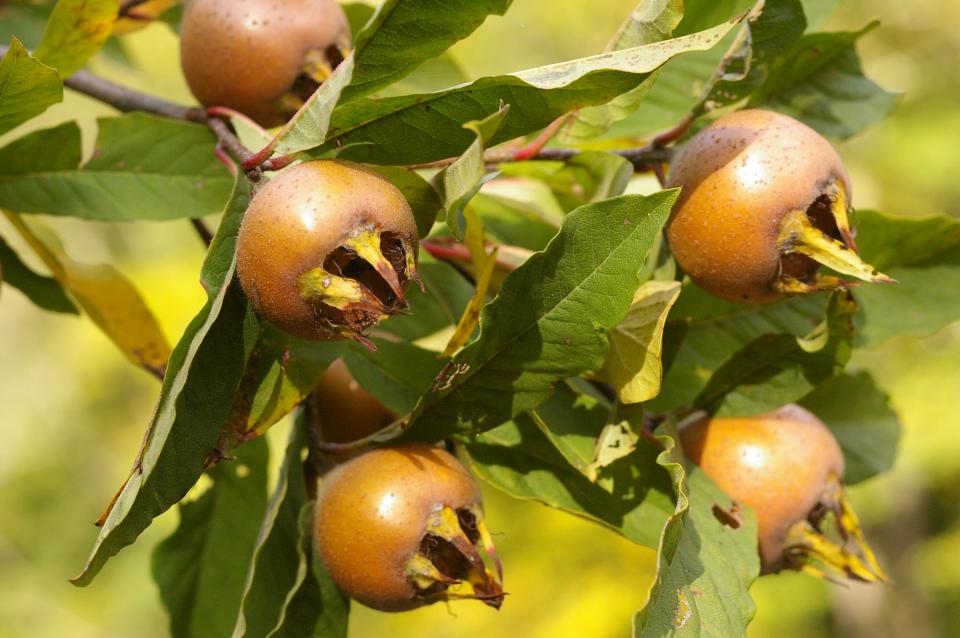
Mespilus germanica, commonly known as the medlar, is a small deciduous tree or large shrub that belongs to the Rosaceae family. It is native to Europe and Southwest Asia and is known for its small, brown fruit that resembles a rosehip.
Plant Care Instructions
Outdoor Size Range
15-30 feet (4.5-9 meters) tall, 10-20 feet (3-6 meters) wide
Light Requirements
The medlar tree requires full sun to grow and produce fruit. It can tolerate some shade but will not thrive in low light conditions.
Humidity Needs
The medlar tree prefers moderate humidity levels but can tolerate drier air. It is important to avoid overwatering, as this can lead to fungal diseases that thrive in humid conditions.
Fertilizing Schedule
The medlar tree benefits from regular fertilization with a balanced fertilizer during the growing season. It is important to avoid over-fertilization, as this can lead to excessive vegetative growth and reduced fruit production.
Pruning Guidelines
The medlar tree benefits from regular pruning to maintain shape and encourage fruit production. It is best to prune in late winter or early spring before new growth begins.
Common Pests and Diseases
The medlar tree is relatively pest and disease resistant but may be susceptible to fire blight, canker, and rust. It is important to monitor for signs of disease and treat promptly.
Indoor Size Range
N/A
Watering Schedule
The medlar tree prefers well-draining soil that is kept consistently moist but not waterlogged. It is important to water deeply and regularly during the growing season, especially during hot and dry periods.
Temperature Range
The medlar tree is hardy in USDA zones 5-9 and can tolerate temperatures as low as -15°F (-26°C). It prefers mild temperatures and may suffer from heat stress in hot and dry conditions.
Growing Season
The medlar tree typically blooms in late spring and produces fruit in late fall. The growing season varies depending on the climate and location.
Growing Difficulty Level
The medlar tree is relatively easy to grow and maintain, making it a good choice for beginner gardeners. However, it may not be as widely available as other fruit trees and may require some effort to locate.
USDA Hardiness Zones
5-9
Did You Know?
The medlar fruit is not typically eaten fresh but is instead allowed to 'blet' or soften after being picked. This process involves leaving the fruit to ripen and soften for several weeks, resulting in a sweet and fragrant pulp that is often used in jams and jellies.