Special Web Offer - Get 50% OFF!
Grab Your Deal Now
PlantSnap
Plant Care
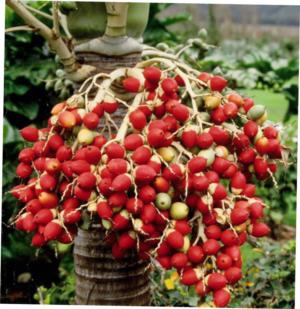
Foxtail palm
(Wodyetia bifurcata)
Also Known As
Foxtail palm, Wodyetia palm
About This Plant
Wodyetia bifurcata is a palm tree species that is native to the Cape Melville area of Queensland, Australia. It is also commonly known as the Foxtail Palm due to its bushy fronds that resemble a fox's tail. This species is highly valued for its ornamental appearance and is widely cultivated in tropical and subtropical regions worldwide.
Plant Care Instructions
Outdoor Size Range
30-50 feet (9-15 meters) tall and 10-15 feet (3-4.5 meters) wide
Light Requirements
Foxtail Palm prefers full sun to partial shade. It can tolerate some shade, but it will grow best in bright sunlight.
Humidity Needs
This plant species prefers high humidity levels, but it can tolerate moderate humidity as well. The ideal humidity range is between 50-60%.
Fertilizing Schedule
It requires regular fertilization during the growing season (spring and summer) with a balanced fertilizer. Avoid fertilizing during the winter months.
Pruning Guidelines
Prune the dead or damaged fronds to keep the plant looking tidy. Avoid pruning the green fronds as it can damage the plant.
Common Pests and Diseases
Common pests that affect this plant species include spider mites, mealybugs, and scale insects. Diseases are not common, but root rot can occur if the soil is kept too wet.
Indoor Size Range
N/A
Watering Schedule
It requires moderate watering, and the soil should be kept moist but not waterlogged. Overwatering can lead to root rot, while underwatering can cause the leaves to turn brown and dry out.
Temperature Range
Foxtail Palm prefers warm temperatures between 65-85°F (18-29°C) and can tolerate occasional drops to 50°F (10°C) without any damage.
Growing Season
The growing season for Foxtail Palm is spring and summer when the plant is actively growing. It becomes dormant during the winter months.
Growing Difficulty Level
Foxtail Palm is relatively easy to grow and maintain, making it a popular choice for gardeners and landscapers. However, it requires some care and attention to thrive.
USDA Hardiness Zones
Foxtail Palm is hardy in USDA zones 10-11.
Did You Know?
The Foxtail Palm is named after its bushy fronds that resemble a fox's tail. It is also known as the Wodyetia Palm after the Aboriginal community of Wodyetia in Queensland, Australia, where it was first discovered in 1978.