Special Web Offer - Get 50% OFF!
Grab Your Deal Now
PlantSnap
Plant Care
Bearberry
(Wikstroemia uva-ursi)
Also Known As
Bearberry, Kinnikinnick
About This Plant
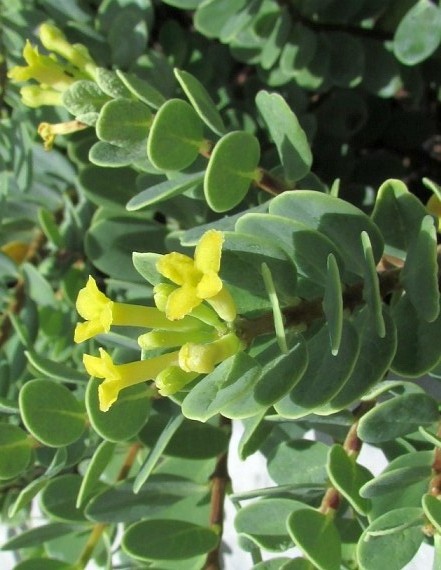
Wikstroemia uva-ursi is a species of flowering plant in the family Thymelaeaceae, native to Japan. It is a deciduous shrub that grows up to 2 meters tall. The leaves are alternate, simple, ovate, and have a serrated margin. The flowers are small, yellow-green, and appear in clusters in the axils of the leaves. The fruit is a capsule that splits open to reveal small black seeds.
Plant Care Instructions
Outdoor Size Range
4-8 feet (1.2-2.4 meters)
Light Requirements
Wikstroemia uva-ursi prefers partial shade to full sun. In areas with hot summers, it benefits from some afternoon shade.
Humidity Needs
This plant prefers moderate to high humidity levels. Mist the leaves regularly or place a tray of water near the plant to increase humidity.
Fertilizing Schedule
Fertilize in the spring with a balanced fertilizer. Avoid fertilizing in the fall or winter.
Pruning Guidelines
Prune in the late winter or early spring to remove any dead or damaged wood. This plant can also be lightly pruned to maintain its shape.
Common Pests and Diseases
Wikstroemia uva-ursi is relatively pest and disease-free, but it can be susceptible to spider mites and scale insects.
Indoor Size Range
N/A
Watering Schedule
Keep the soil consistently moist but not waterlogged. Allow the top inch of soil to dry out before watering again.
Temperature Range
Wikstroemia uva-ursi prefers temperatures between 50-70°F (10-21°C). It can tolerate brief periods of colder temperatures, but not prolonged exposure to freezing temperatures.
Growing Season
Wikstroemia uva-ursi grows in the spring and summer months.
Growing Difficulty Level
Wikstroemia uva-ursi is moderately difficult to grow. It requires specific growing conditions and can be susceptible to pests and diseases.
USDA Hardiness Zones
Wikstroemia uva-ursi is hardy in USDA zones 6-9.
Did You Know?
Wikstroemia uva-ursi has been used in traditional Japanese medicine to treat a variety of ailments, including fever, inflammation, and pain.