Special Web Offer - Get 50% OFF!
Grab Your Deal Now
PlantSnap
Plant Care
‘akia
(Wikstroemia sandwicensis)
Also Known As
‘akia, Hāpuʻu, Sandwich islands wikstroemia, Pelea
About This Plant
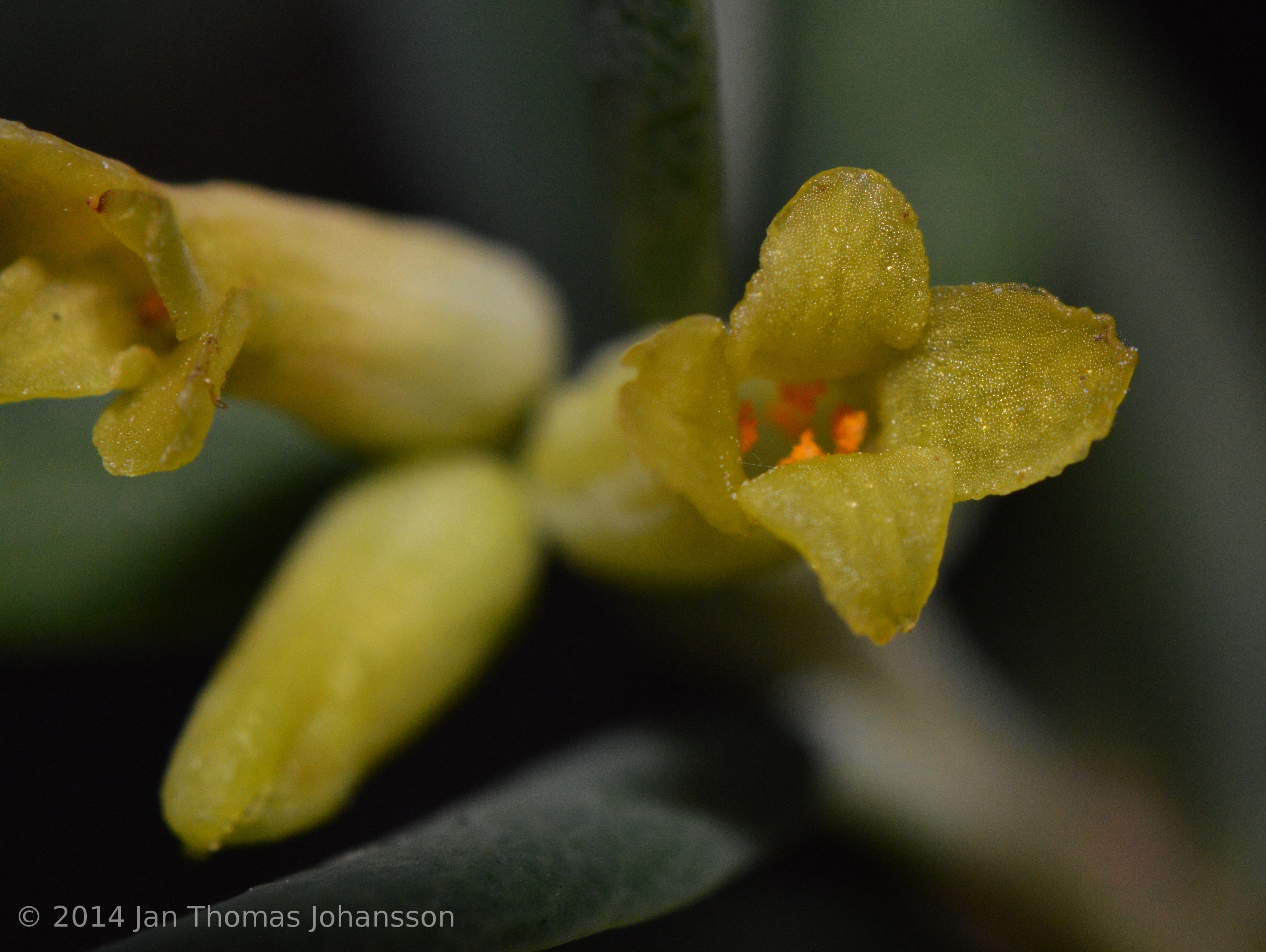
Wikstroemia sandwicensis is a species of flowering shrub in the Thymelaeaceae family, native to Hawaii. It is a small shrub that can grow up to 10 feet (3 meters) tall with a spread of up to 6 feet (1.8 meters). The plant has small greenish-yellow flowers that bloom in the winter and spring.
Plant Care Instructions
Outdoor Size Range
Up to 10 feet (3 meters) tall, with a spread of up to 6 feet (1.8 meters)
Light Requirements
Wikstroemia sandwicensis prefers partial shade to full sun. It requires at least 4 hours of direct sunlight per day.
Humidity Needs
Wikstroemia sandwicensis prefers moderate to high humidity levels. It can be grown in areas with humidity levels ranging from 40% to 80%.
Fertilizing Schedule
The plant requires regular fertilization during the growing season with a balanced fertilizer. Avoid fertilizing during the winter months.
Pruning Guidelines
Prune the plant after the flowering season to maintain its shape and size. Remove any dead or diseased branches.
Common Pests and Diseases
Wikstroemia sandwicensis is susceptible to spider mites and scale insects. It can also be affected by fungal diseases such as powdery mildew.
Indoor Size Range
Not suitable for indoor growth
Watering Schedule
The plant requires moderate watering, with the soil being allowed to dry out slightly between waterings.
Temperature Range
The plant prefers warm temperatures ranging from 60 to 85 degrees Fahrenheit (15 to 29 degrees Celsius). It can tolerate occasional drops to 50 degrees Fahrenheit (10 degrees Celsius).
Growing Season
The plant blooms in the winter and spring.
Growing Difficulty Level
Wikstroemia sandwicensis is considered moderately difficult to grow. It requires specific growing conditions and can be susceptible to pests and diseases.
USDA Hardiness Zones
Wikstroemia sandwicensis is hardy in USDA zones 10 to 11.
Did You Know?
Wikstroemia sandwicensis has traditionally been used in Hawaiian culture for medicinal purposes, including treating headaches, stomachaches, and infections.