Special Web Offer - Get 50% OFF!
Grab Your Deal Now
PlantSnap
Plant Care
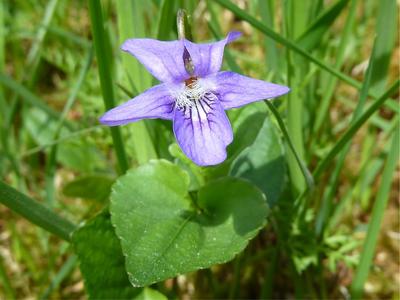
Teesdale violet
(Viola rupestris)
Also Known As
Teesdale violet, Rock violet, Alpine violet, Sandy violet
About This Plant
Viola rupestris, commonly known as rock violet, is a small herbaceous plant species that belongs to the Violaceae family. It is native to North America and can be found in rocky areas, talus slopes, and crevices from Alaska to California.
Plant Care Instructions
Outdoor Size Range
6-12 inches (15-30 cm)
Light Requirements
Rock violets prefer partial shade to full sun. They can tolerate full sun in cooler climates but need some shade in hot summer areas.
Humidity Needs
Rock violets don't have any specific humidity requirements, but they prefer moderate to high humidity levels.
Fertilizing Schedule
Rock violets don't require much fertilizer, but you can feed them with a balanced fertilizer once a month during the growing season.
Pruning Guidelines
Rock violets don't require pruning, but you can deadhead the spent flowers to encourage more blooms.
Common Pests and Diseases
Rock violets are generally not prone to pests or diseases, but they can occasionally be affected by aphids or powdery mildew.
Indoor Size Range
6-12 inches (15-30 cm)
Watering Schedule
Rock violets prefer moist but well-draining soil. They don't like to be waterlogged, so it's important to let the soil dry out a little between waterings.
Temperature Range
Rock violets can tolerate a wide range of temperatures, from freezing to hot summer temperatures. They are hardy in USDA zones 5-8.
Growing Season
Rock violets bloom from late spring to early summer.
Growing Difficulty Level
Rock violets are relatively easy to grow and care for.
USDA Hardiness Zones
5-8
Did You Know?
Rock violets are the state flower of Illinois.