Special Web Offer - Get 50% OFF!
Grab Your Deal Now
PlantSnap
Plant Care
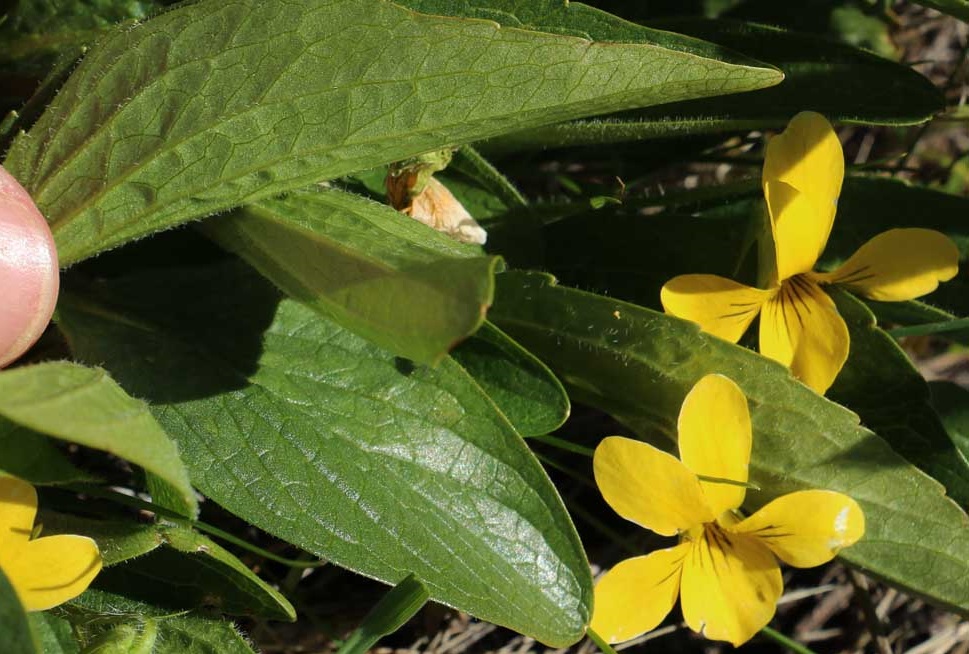
Canary violet
(Viola praemorsa linguifolia)
Also Known As
Canary violet, Linguiform violet, Prairie violet, Lingua violet
About This Plant
Viola praemorsa linguifolia, commonly known as the cutleaf violet or the western dog violet, is a species of flowering plant in the violet family. It is native to North America and can be found in various habitats including meadows, forests, and rocky areas. The plant typically grows up to 8 inches (20 cm) tall and has heart-shaped leaves.
Plant Care Instructions
Outdoor Size Range
4-8 inches (10-20 cm)
Light Requirements
The cutleaf violet prefers partial to full shade, but can tolerate some direct sunlight.
Humidity Needs
The plant does not have any specific humidity requirements.
Fertilizing Schedule
The plant does not require fertilization, but can benefit from a balanced, slow-release fertilizer once a year.
Pruning Guidelines
The cutleaf violet does not require pruning, but deadheading spent flowers can encourage further blooming.
Common Pests and Diseases
Common pests and diseases for the cutleaf violet include slugs, snails, aphids, and powdery mildew.
Indoor Size Range
N/A
Watering Schedule
The plant prefers moist soil and should be watered regularly, especially during hot and dry weather.
Temperature Range
The cutleaf violet can tolerate a wide range of temperatures, from hot summers to freezing winters.
Growing Season
The cutleaf violet blooms from late spring to early summer.
Growing Difficulty Level
The cutleaf violet is relatively easy to grow and maintain.
USDA Hardiness Zones
The plant can grow in USDA hardiness zones 4 to 8.
Did You Know?
The cutleaf violet was used by Native American tribes for medicinal purposes, including treating headaches and sore throats.