Special Web Offer - Get 50% OFF!
Grab Your Deal Now
PlantSnap
Plant Care
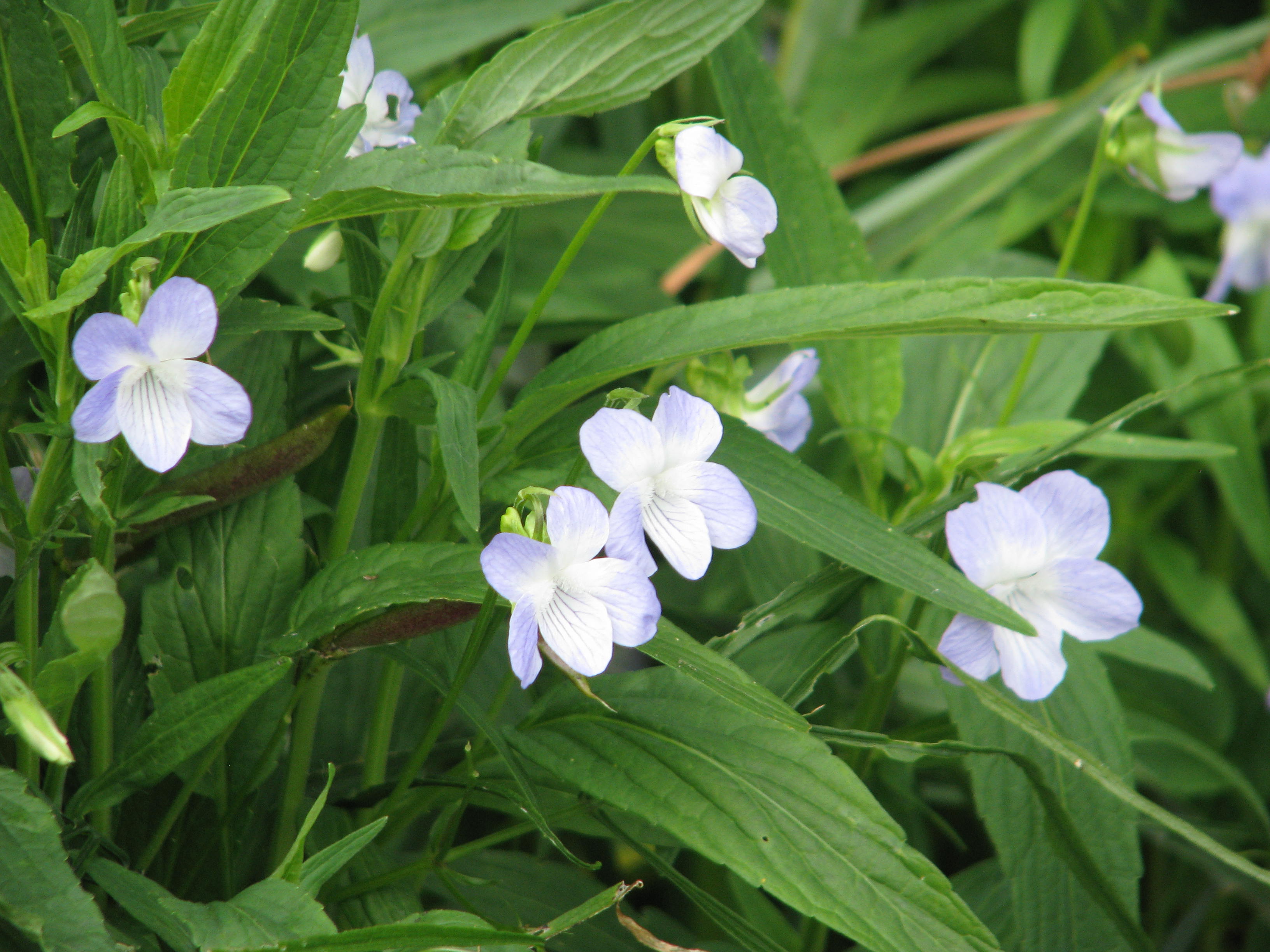
Tall violet
(Viola elatior)
Also Known As
Tall violet, Wood violet, Hedge violet
About This Plant
Viola elatior is a species of flowering plant in the violet family. It is a herbaceous perennial plant, growing up to 20-30 cm (8-12 inches) tall. It has heart-shaped leaves and produces small, delicate, yellow flowers with purple veins.
Plant Care Instructions
Outdoor Size Range
8-12 inches (20-30 cm)
Light Requirements
Alpine violets prefer partial to full shade, especially during the hottest part of the day.
Humidity Needs
These plants prefer moderate humidity levels, but can tolerate lower humidity levels.
Fertilizing Schedule
Feed with a balanced, all-purpose fertilizer every 4-6 weeks during the growing season.
Pruning Guidelines
Deadhead spent blooms to encourage more flowers. Cut back the entire plant to 2-3 inches (5-8 cm) in late fall or early spring to promote new growth.
Common Pests and Diseases
Common pests include aphids, spider mites, and slugs. Diseases such as powdery mildew and root rot can also occur.
Indoor Size Range
6-8 inches (15-20 cm)
Watering Schedule
Keep the soil consistently moist, but not waterlogged. Water when the top inch of soil feels dry to the touch.
Temperature Range
Viola elatior prefers cooler temperatures, between 50-70°F (10-21°C).
Growing Season
This plant species blooms from late spring to early summer.
Growing Difficulty Level
Viola elatior is relatively easy to grow, making it a great choice for beginner gardeners.
USDA Hardiness Zones
Viola elatior is hardy in USDA zones 4-7.
Did You Know?
Alpine violets have been used in traditional medicine to treat headaches, coughs, and other ailments.