Special Web Offer - Get 50% OFF!
Grab Your Deal Now
PlantSnap
Plant Care
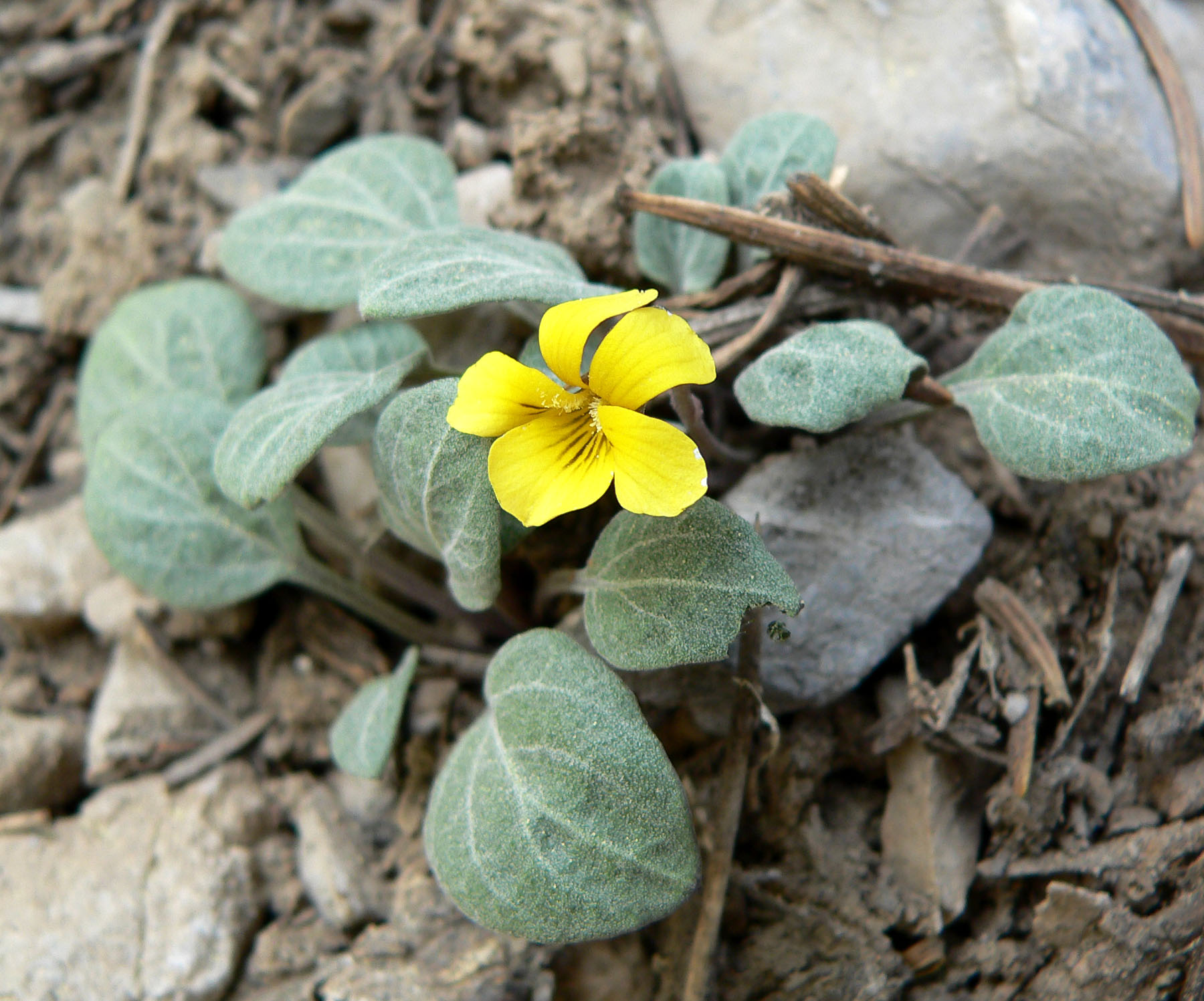
Charleston violet
(Viola charlestonensis)
Also Known As
Charleston violet, Carolina violet, Bluegrass violet
About This Plant
Viola charlestonensis is a species of flowering plant in the violet family, Violaceae. It is a perennial herb that grows up to 8 inches (20 cm) tall and 12 inches (30 cm) wide. The leaves are green and heart-shaped, and the flowers are pink or purple with a yellow center.
Plant Care Instructions
Outdoor Size Range
8-12 inches (20-30 cm)
Light Requirements
Charleston Violets prefer partial to full shade. Direct sunlight can cause the leaves to wilt.
Humidity Needs
Charleston Violets prefer high humidity levels, around 60-70%. Use a humidifier or place a tray of water near the plant to increase humidity.
Fertilizing Schedule
Fertilize every 2-3 weeks during the growing season with a balanced liquid fertilizer. Do not fertilize during the winter months.
Pruning Guidelines
Remove any dead or yellowing leaves or flowers as they appear. Pinch back the stems to promote bushier growth.
Common Pests and Diseases
Common pests include aphids and spider mites. Diseases include powdery mildew and leaf spot.
Indoor Size Range
6-8 inches (15-20 cm)
Watering Schedule
Keep the soil consistently moist, but not waterlogged. Water when the top inch of soil feels dry to the touch.
Temperature Range
Charleston Violets prefer cool to moderate temperatures, around 60-75°F (15-24°C). Avoid temperatures above 80°F (27°C) as they can cause the plant to wilt.
Growing Season
Charleston Violets bloom in the spring and fall.
Growing Difficulty Level
Charleston Violets are relatively easy to grow as long as their basic requirements are met.
USDA Hardiness Zones
Charleston Violets are hardy in USDA zones 7-10.
Did You Know?
The Charleston Violet is named after the city of Charleston, South Carolina, where it was first discovered in the 1920s.