Special Web Offer - Get 50% OFF!
Grab Your Deal Now
PlantSnap
Plant Care
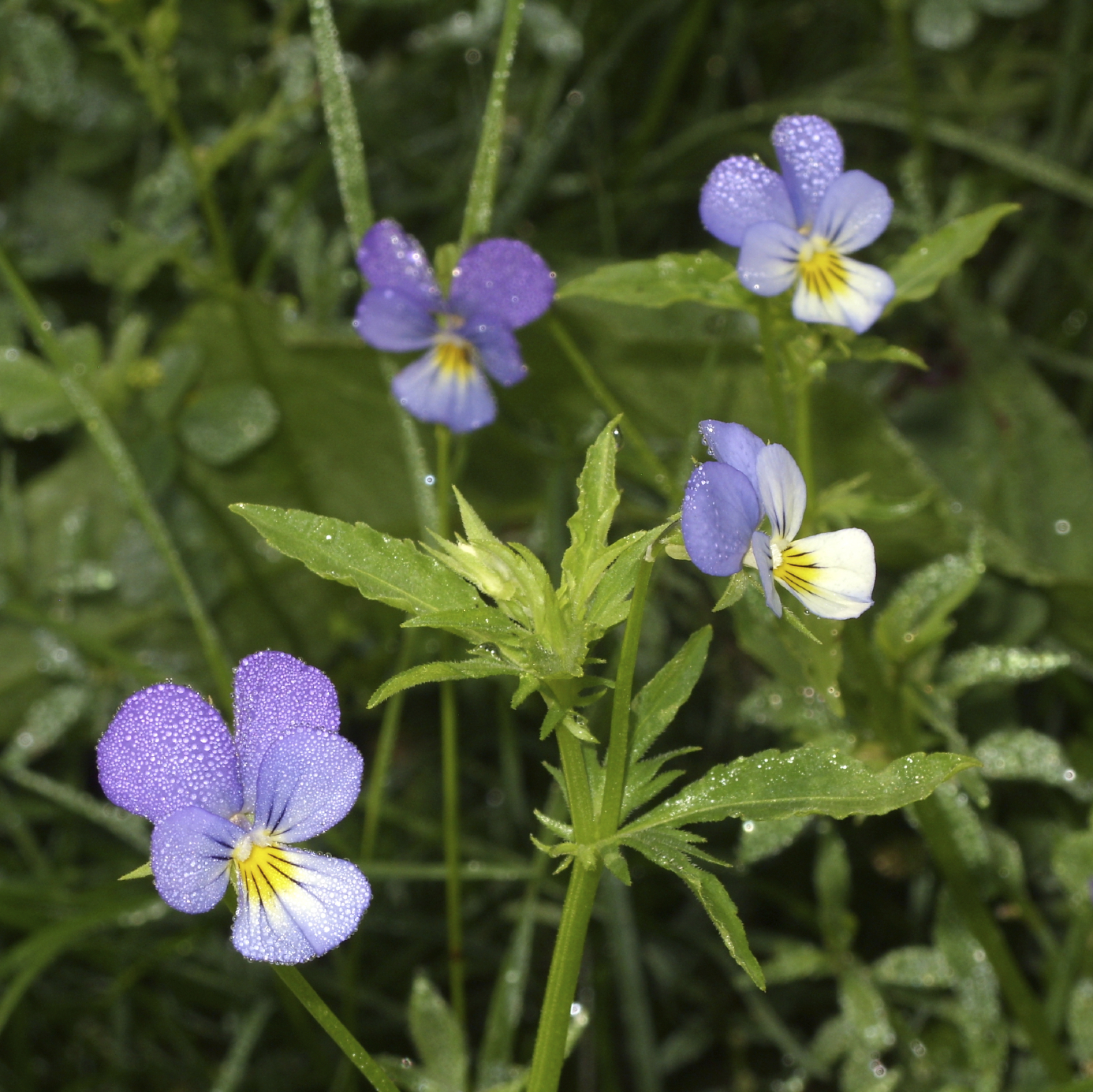
American field pansy
(Viola bicolor)
Also Known As
American field pansy, Field violet, Bird's foot violet, Pansy violet
About This Plant
Viola bicolor is a flowering plant species native to North America. It is a small herbaceous perennial that grows up to 6 inches (15 cm) tall and 12 inches (30 cm) wide. The plant has two-toned flowers with white petals and yellow centers that bloom in the spring and summer.
Plant Care Instructions
Outdoor Size Range
6-12 inches (15-30 cm)
Light Requirements
Viola bicolor prefers partial shade to full sun. It can tolerate some shade, but too much shade can result in poor flowering.
Humidity Needs
Viola bicolor does not have any specific humidity requirements, but it prefers moderate humidity levels.
Fertilizing Schedule
Fertilize the plant with a balanced fertilizer once a month during the growing season.
Pruning Guidelines
Deadhead the flowers regularly to promote continuous blooming. Cut back the plant in the fall to prevent self-seeding.
Common Pests and Diseases
Viola bicolor is generally not susceptible to many pests or diseases, but it can be affected by aphids, slugs, and snails.
Indoor Size Range
6-12 inches (15-30 cm)
Watering Schedule
The plant prefers moist soil, but it can tolerate some drought. Water regularly, but do not overwater as this can lead to root rot.
Temperature Range
The plant can tolerate a range of temperatures, but it prefers cool to moderate temperatures. It can survive temperatures as low as -40°F (-40°C) and as high as 100°F (38°C).
Growing Season
The plant blooms in the spring and summer, and it can continue to bloom throughout the fall in cooler climates.
Growing Difficulty Level
Viola bicolor is easy to grow and care for, making it a great choice for beginner gardeners.
USDA Hardiness Zones
Viola bicolor is hardy in USDA zones 3-8.
Did You Know?
Viola bicolor is the state flower of Rhode Island and New Jersey.