Special Web Offer - Get 50% OFF!
Grab Your Deal Now
PlantSnap
Plant Care
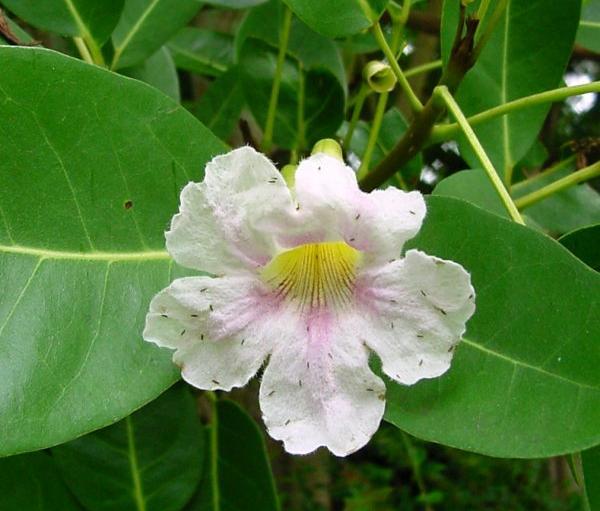
Cuban pink trumpet tree
(Tabebuia pallida)
Also Known As
Cuban pink trumpet tree, Pink trumpet tree, Palo de rosa, Chorisia pallida
About This Plant
Tabebuia pallida is a species of flowering plant in the family Bignoniaceae, native to Central and South America. It is a deciduous tree that can grow up to 30 meters tall, with a trunk up to 1 meter in diameter. The tree has a rounded crown and produces large clusters of pink to pale purple trumpet-shaped flowers in the spring before the foliage appears.
Plant Care Instructions
Outdoor Size Range
Height: 20-30 meters (65-98 feet), Spread: 10-15 meters (33-49 feet)
Light Requirements
Tabebuia pallida requires full sun exposure for at least 6 hours a day. It can tolerate partial shade but flowering will be reduced.
Humidity Needs
It can tolerate low humidity levels, but it prefers moderate to high humidity.
Fertilizing Schedule
It benefits from regular fertilization during the growing season, especially with a balanced fertilizer that contains nitrogen, phosphorus, and potassium.
Pruning Guidelines
It requires little pruning, but it can be done to control its shape or size. Pruning should be done after flowering to avoid removing the next season's buds.
Common Pests and Diseases
Tabebuia pallida is generally not affected by pests or diseases, but it can be susceptible to root rot if the soil is poorly drained.
Indoor Size Range
Not suitable for indoor growth
Watering Schedule
It needs regular watering, especially during the first few years of growth. Once established, it can tolerate drought, but it still needs occasional watering during long dry spells.
Temperature Range
Tabebuia pallida can tolerate a wide range of temperatures, from 20°C (68°F) to 35°C (95°F). It can also tolerate light frosts, but it may lose its leaves in colder climates.
Growing Season
The growing season for Tabebuia pallida is in the spring and early summer, when it produces its large clusters of flowers.
Growing Difficulty Level
Tabebuia pallida is considered to be a moderately difficult tree to grow, as it requires specific growing conditions and regular care.
USDA Hardiness Zones
Tabebuia pallida is hardy in USDA zones 10 and 11.
Did You Know?
The wood of the Tabebuia pallida tree is highly valued for its strength and durability, and is often used for construction and furniture making.