Special Web Offer - Get 50% OFF!
Grab Your Deal Now
PlantSnap
Plant Care
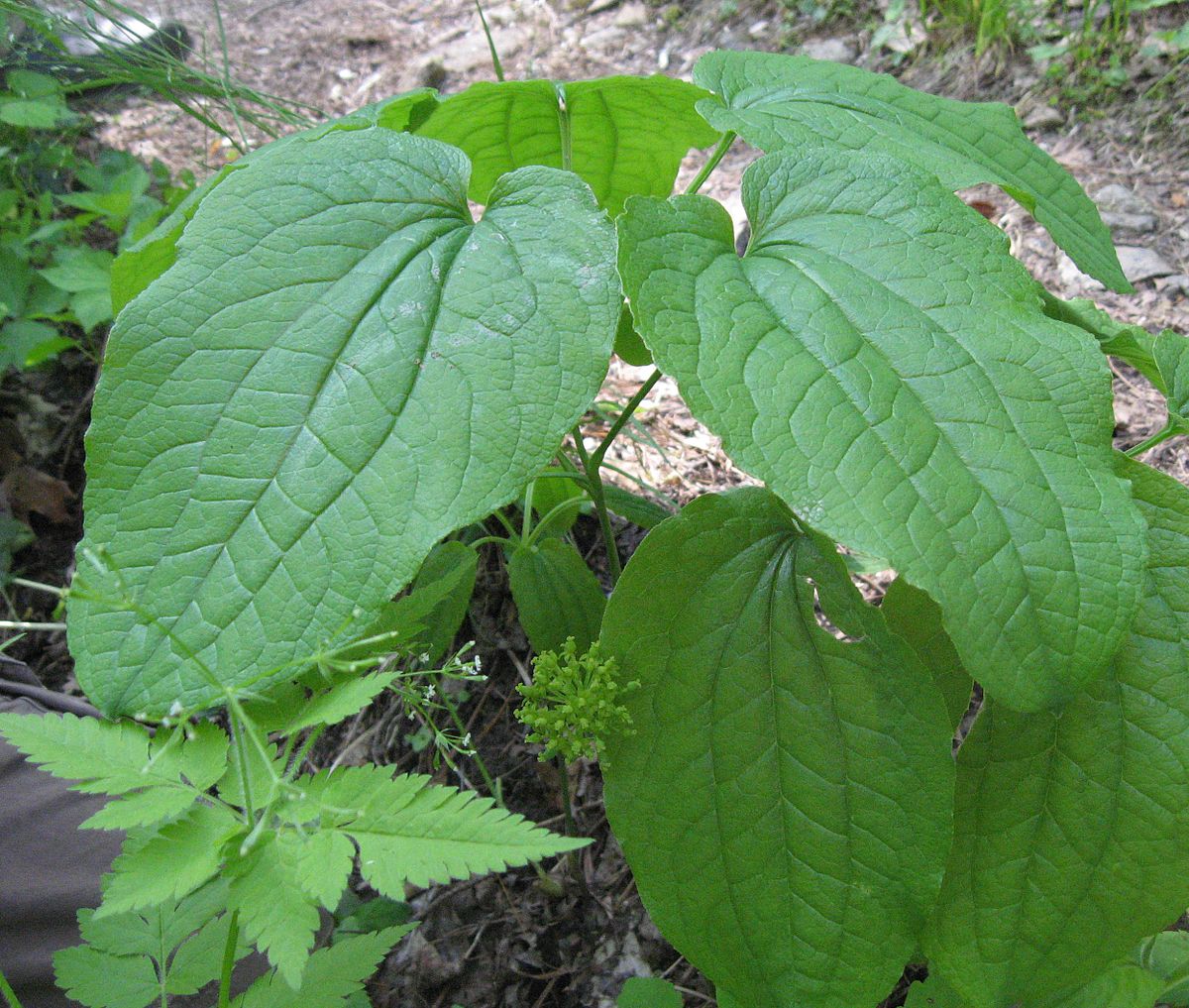
Upright carrionflower
(Smilax ecirrhata)
Also Known As
Upright carrionflower, Beargrass, Greenbriar, Catbriar
About This Plant
Smilax ecirrhata is a species of flowering plant in the family Smilacaceae. It is a perennial vine that grows up to 6 feet (1.8 meters) long. The plant has greenish-white flowers that bloom in late spring and early summer, followed by small black berries in the fall. It is commonly known as the upright carrionflower.
Plant Care Instructions
Outdoor Size Range
Up to 6 feet (1.8 meters)
Light Requirements
Smilax ecirrhata prefers partial shade to full shade. It can tolerate some direct sunlight but too much can scorch the leaves.
Humidity Needs
The plant prefers high humidity levels. You can mist the leaves regularly to increase humidity or place a tray of water near the plant.
Fertilizing Schedule
Fertilize the plant with a balanced fertilizer once a month during the growing season (spring and summer).
Pruning Guidelines
Prune the plant in late winter or early spring before new growth appears. Cut back any dead or damaged stems and shape the plant as desired.
Common Pests and Diseases
Common pests for Smilax ecirrhata include spider mites, mealybugs, and scale insects. Diseases are not common but can include leaf spot and powdery mildew.
Indoor Size Range
N/A
Watering Schedule
The plant prefers consistently moist soil. Water it regularly, especially during hot and dry weather.
Temperature Range
Smilax ecirrhata prefers warm temperatures between 60-75°F (15-24°C). It can tolerate occasional drops in temperature but not frost.
Growing Season
The growing season for Smilax ecirrhata is spring and summer.
Growing Difficulty Level
Smilax ecirrhata is considered moderately difficult to grow. It requires specific growing conditions and can be susceptible to pests and diseases.
USDA Hardiness Zones
Smilax ecirrhata is hardy in USDA zones 6-9.
Did You Know?
The name 'carrionflower' comes from the unpleasant odor of the flowers, which are pollinated by flies and beetles attracted to the smell.