Special Web Offer - Get 50% OFF!
Grab Your Deal Now
PlantSnap
Plant Care
Arroyo willow
(Salix lasiolepis)
Also Known As
Arroyo willow, Black willow, Coyote willow
About This Plant
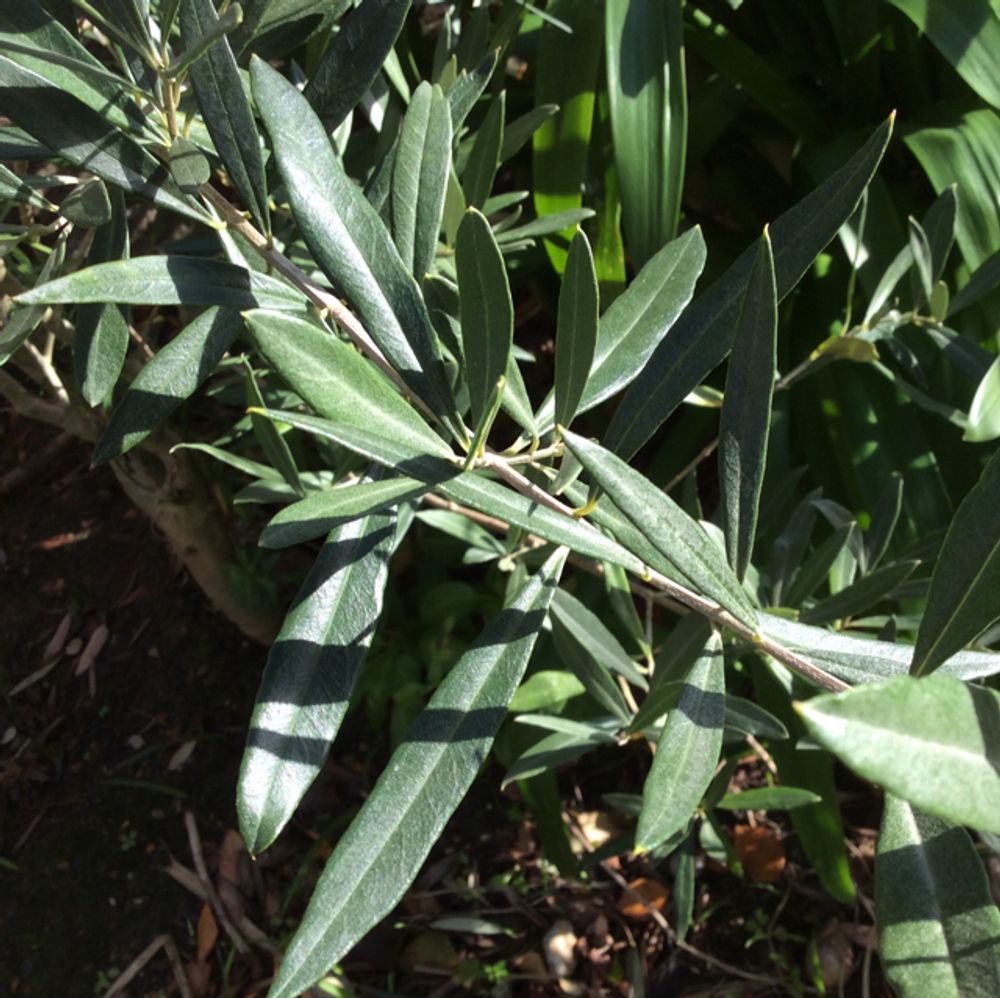
Salix lasiolepis is a species of willow tree that is native to western North America. It is a deciduous tree that can grow up to 50 feet tall and has a broad, spreading crown. The leaves are long and narrow, with a pointed tip and finely toothed edges. The bark is gray-brown and becomes deeply furrowed with age. The tree produces catkins in the spring, which are followed by small, brown capsules containing numerous tiny seeds.
Plant Care Instructions
Outdoor Size Range
30-50 feet (9-15 meters)
Light Requirements
Arroyo willow prefers full sun but can tolerate some shade.
Humidity Needs
Arroyo willow prefers moderate to high humidity.
Fertilizing Schedule
Arroyo willow does not require fertilizer, but can benefit from a balanced fertilizer in the spring.
Pruning Guidelines
Arroyo willow requires regular pruning to maintain its shape and remove dead or diseased branches.
Common Pests and Diseases
Common pests of arroyo willow include aphids, scales, and spider mites. Diseases such as willow blight and leaf spot can also affect the tree.
Indoor Size Range
N/A
Watering Schedule
Arroyo willow requires regular watering, especially during the first few years of growth. Once established, it can tolerate some drought.
Temperature Range
Arroyo willow can tolerate a wide range of temperatures, from -10°F (-23°C) to 110°F (43°C).
Growing Season
Arroyo willow grows best in the spring and summer.
Growing Difficulty Level
Arroyo willow is relatively easy to grow, but requires regular maintenance.
USDA Hardiness Zones
Arroyo willow is hardy in USDA zones 7-10.
Did You Know?
Arroyo willow is an important plant for riparian ecosystems, providing habitat for a variety of wildlife and stabilizing stream banks with its extensive root system.