Special Web Offer - Get 50% OFF!
Grab Your Deal Now
PlantSnap
Plant Care
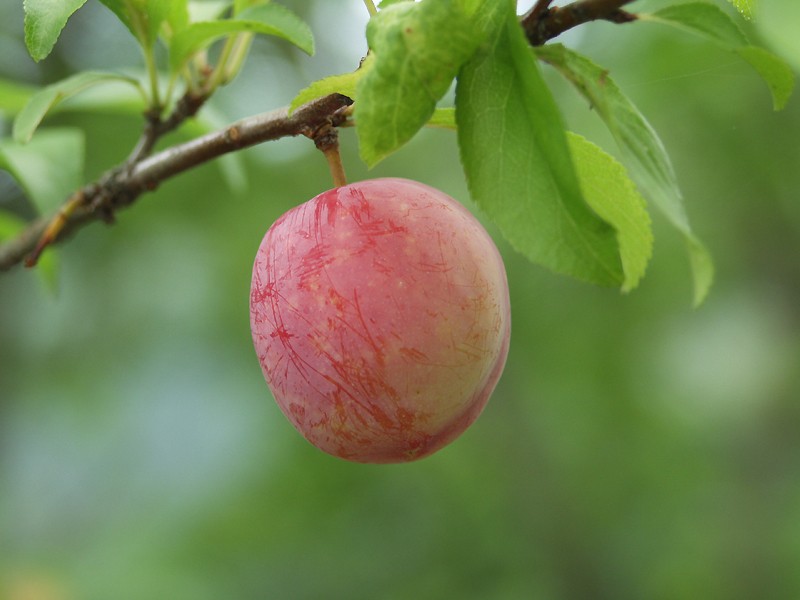
Japanese plum
(Prunus salicina)
Also Known As
Japanese plum, Chinese plum, Asian plum
About This Plant
Prunus salicina is a species of Prunus native to mainland China, and also grown in Japan, Korea, and Taiwan. It is a deciduous tree that typically grows to 4–10 meters (13–33 ft) tall, with a trunk up to 40 cm (16 in) diameter.
Plant Care Instructions
Outdoor Size Range
13-33 feet (4-10 meters)
Light Requirements
Full sun to partial shade. At least 6 hours of direct sunlight per day.
Humidity Needs
Prefers moderate humidity, but can tolerate dry air.
Fertilizing Schedule
Fertilize in early spring before new growth appears, using a balanced fertilizer. Repeat once a month during the growing season.
Pruning Guidelines
Prune in late winter or early spring to remove dead, diseased or damaged wood. Thin out crowded branches to improve air circulation.
Common Pests and Diseases
Common pests include aphids, scale insects, and spider mites. Diseases include brown rot and plum pox virus.
Indoor Size Range
N/A
Watering Schedule
Regular watering, especially in the first year after planting. Once established, it can tolerate some drought.
Temperature Range
Hardy in USDA zones 5-9. Can tolerate temperatures as low as -15°C (5°F).
Growing Season
Late spring to early summer
Growing Difficulty Level
Moderate difficulty to grow. Requires regular maintenance and care.
USDA Hardiness Zones
5-9
Did You Know?
The Japanese plum is one of the most important fruit trees in China, where it has been cultivated for over 3000 years.