Special Web Offer - Get 50% OFF!
Grab Your Deal Now
PlantSnap
Plant Care
Wonga wonga vine
(Pandorea floribunda)
Also Known As
Wonga wonga vine, Bower vine, Australian wisteria, Queensland callistemon
About This Plant
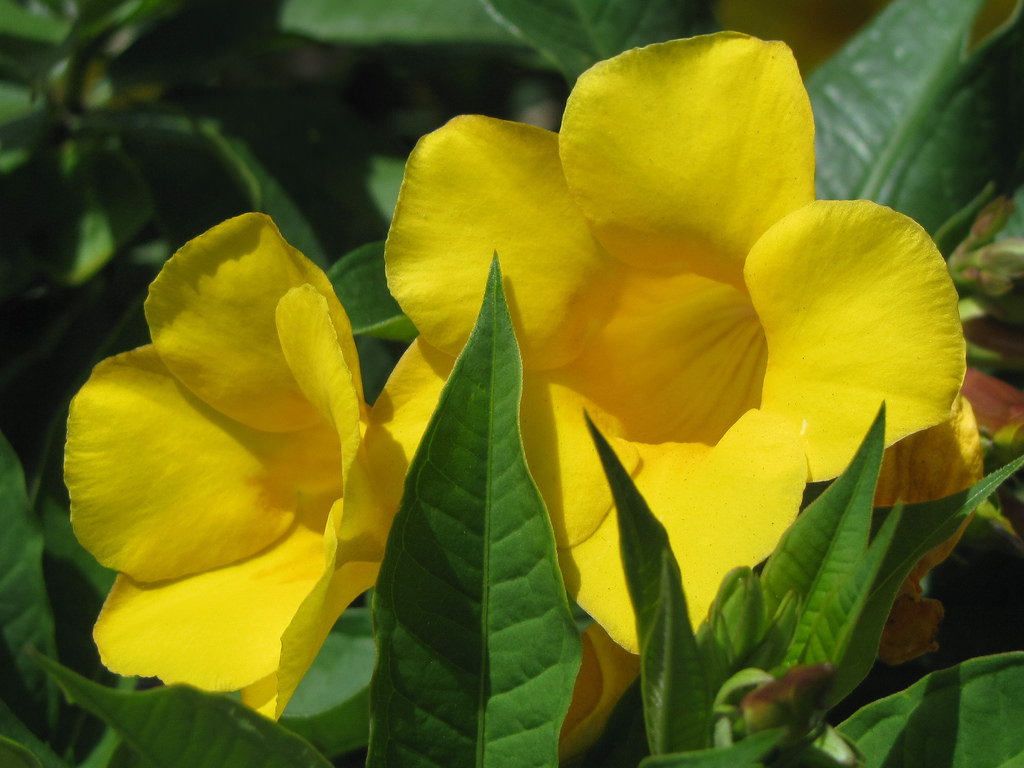
Pandorea floribunda is a fast-growing evergreen vine that produces large clusters of trumpet-shaped flowers in shades of pink, white, and burgundy. The plant has glossy green leaves that are arranged in pairs along the stem.
Plant Care Instructions
Outdoor Size Range
20-30 feet (609.6-914.4 cm)
Light Requirements
Pandorea floribunda prefers full sun but can tolerate some shade. It is best to provide the plant with at least 6 hours of direct sunlight each day.
Humidity Needs
Pandorea floribunda prefers moderate to high humidity levels. If the air in your home is dry, consider using a humidifier or placing a tray of water near the plant.
Fertilizing Schedule
Feed Pandorea floribunda with a balanced fertilizer every 2-3 weeks during the growing season. Reduce fertilization in the winter months.
Pruning Guidelines
Prune the Wonga Wonga Vine in the late winter or early spring to control its size and shape. Remove any dead or damaged branches, and cut back any overgrown stems to promote new growth.
Common Pests and Diseases
Common pests that can affect Pandorea floribunda include spider mites, whiteflies, and mealybugs. Treat infestations with insecticidal soap or neem oil.
Indoor Size Range
6-10 feet (182.88-304.8 cm)
Watering Schedule
The Wonga Wonga Vine prefers consistently moist soil. Water the plant deeply once a week, and more frequently during hot, dry weather. Avoid overwatering, as this can lead to root rot.
Temperature Range
The Wonga Wonga Vine prefers temperatures between 60-80°F (15.6-26.7°C). It can tolerate brief periods of colder temperatures, but will not survive frost.
Growing Season
The Wonga Wonga Vine grows best in the spring and summer months, but can continue to bloom sporadically throughout the year.
Growing Difficulty Level
Pandorea floribunda is moderately easy to grow. It requires some attention to watering and pruning, but is generally a low-maintenance plant.
USDA Hardiness Zones
Pandorea floribunda is hardy in USDA zones 9-11.
Did You Know?
The Wonga Wonga Vine is named after the Wonga Pigeon, a bird native to Australia. The plant is also native to Australia and is commonly found growing in the wild along the eastern coast.