Special Web Offer - Get 50% OFF!
Grab Your Deal Now
PlantSnap
Plant Care
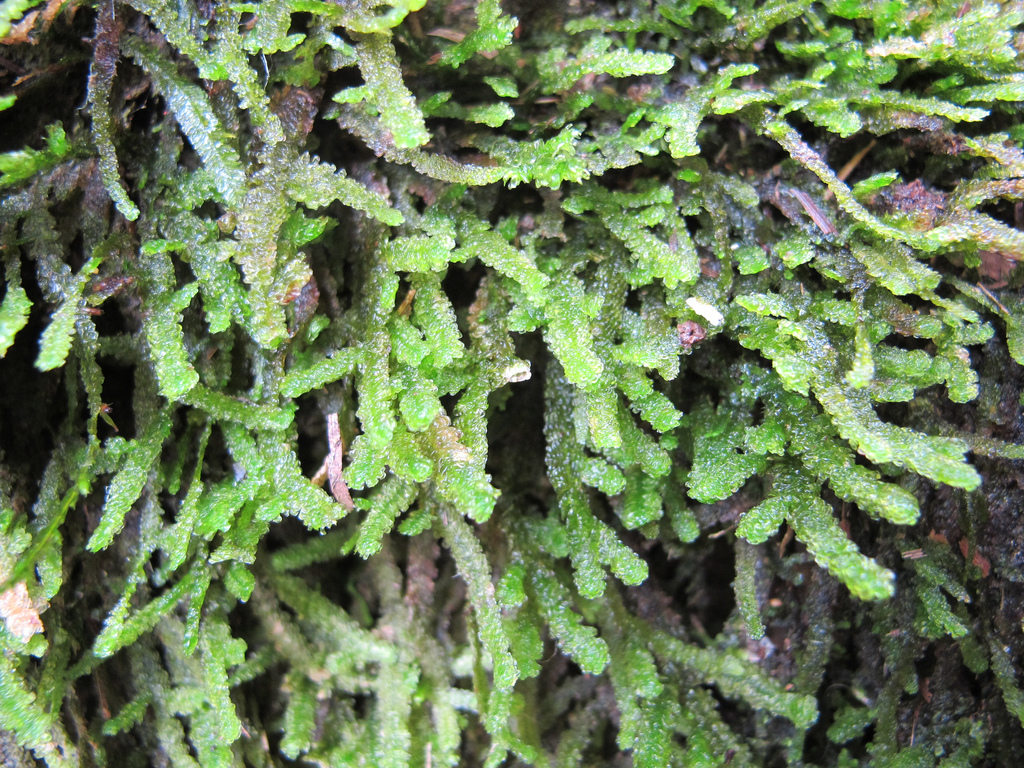
Wavy neckera moss
(Neckeropsis undulata)
Also Known As
Wavy neckera moss, Wave form moss, Curly fork moss
About This Plant
Neckeropsis undulata is a rare and unusual epiphytic fern native to the rainforests of Southeast Asia. It has large, undulating fronds that can grow up to 3 feet (91 cm) long and 8 inches (20 cm) wide. The fronds are leathery, dark green, and have a waxy texture.
Plant Care Instructions
Outdoor Size Range
Not applicable
Light Requirements
Neckeropsis undulata prefers bright, filtered light. Direct sunlight can burn the fronds, so it's best to place it near a window with a sheer curtain or in a shaded area of a greenhouse.
Humidity Needs
Neckeropsis undulata thrives in high humidity environments. Aim for a humidity level of at least 60%. You can increase humidity by misting the fronds daily, placing a tray of water near the plant, or using a humidifier.
Fertilizing Schedule
Feed Neckeropsis undulata once a month during the growing season (spring and summer) with a balanced liquid fertilizer diluted to half strength. Do not fertilize during the winter months.
Pruning Guidelines
Remove any dead or yellowing fronds as needed. You can also trim back any fronds that are getting too long or taking up too much space.
Common Pests and Diseases
Neckeropsis undulata is susceptible to mealybugs, scale insects, and spider mites. Keep an eye out for any signs of infestation and treat with insecticidal soap or neem oil if necessary.
Indoor Size Range
6-12 inches (15-30 cm)
Watering Schedule
This fern likes to be kept moist, but not waterlogged. Water it when the top inch of soil feels dry to the touch. Avoid letting the soil dry out completely or keeping it constantly wet.
Temperature Range
This fern prefers temperatures between 65-75°F (18-24°C). Avoid exposing it to temperatures below 50°F (10°C) or above 85°F (29°C).
Growing Season
Neckeropsis undulata grows best during the spring and summer months when temperatures are warmer and days are longer.
Growing Difficulty Level
Neckeropsis undulata is a moderately difficult plant to grow. It requires high humidity and consistent moisture, which can be challenging to maintain in a home environment. However, with proper care, it can thrive and make a stunning addition to any collection.
USDA Hardiness Zones
Neckeropsis undulata is not frost hardy and is typically grown as a houseplant. It is not assigned a USDA hardiness zone.
Did You Know?
Neckeropsis undulata is named after the famous explorer Jean-Francois de La Perouse's ship, the 'Astrolabe', which visited the Pacific islands in the late 1700s. The fern was first discovered on the island of Guam in 1914 by botanist Odoardo Beccari.