Special Web Offer - Get 50% OFF!
Grab Your Deal Now
PlantSnap
Plant Care
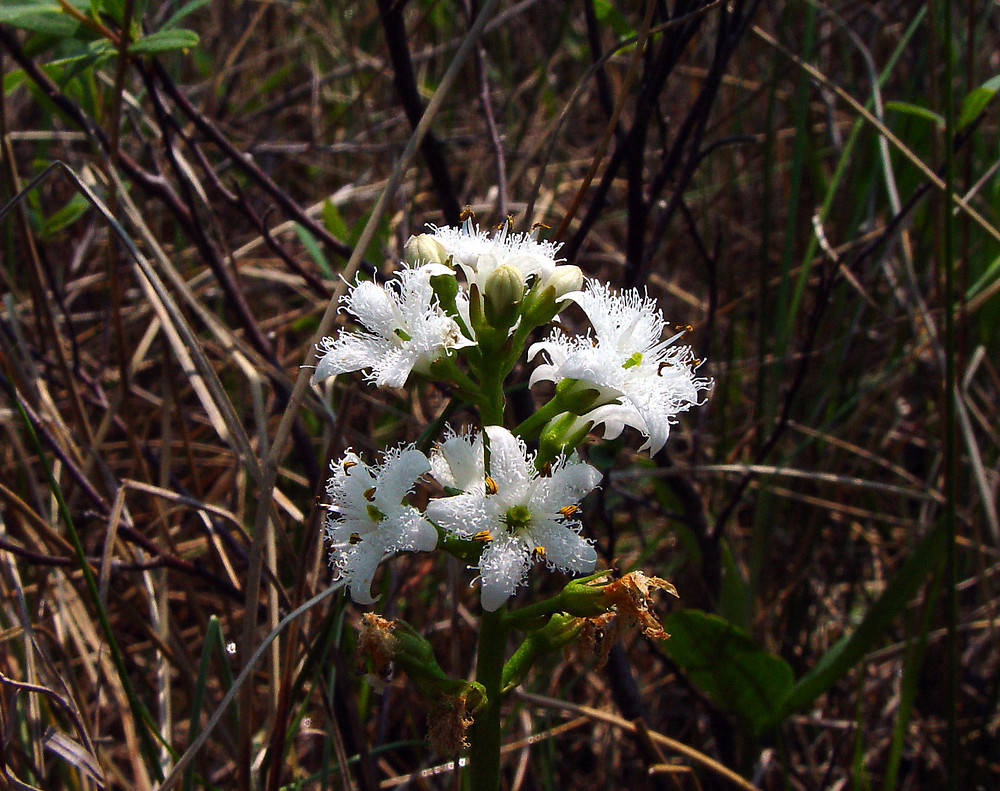
Buckbean
(Menyanthes trifoliata)
Also Known As
Buckbean, Bogbean, Marsh trefoil
About This Plant
Menyanthes trifoliata, also known as Bogbean, is a perennial herbaceous plant that belongs to the family Menyanthaceae. It is native to the northern hemisphere and can be found in wetland habitats such as bogs, fens, and marshes. The plant has trifoliate leaves and produces white or pinkish flowers that bloom in early summer.
Plant Care Instructions
Outdoor Size Range
Height: 12-18 inches (30-45 cm), Spread: 12-24 inches (30-60 cm)
Light Requirements
Bogbean prefers partial shade to full sun. It can tolerate shade but may not flower as well.
Humidity Needs
Bogbean prefers high humidity levels and can tolerate wet soil conditions.
Fertilizing Schedule
Bogbean does not require fertilizer but can benefit from a light application of a balanced fertilizer in the spring.
Pruning Guidelines
Bogbean does not require pruning but can be cut back after flowering to promote bushier growth.
Common Pests and Diseases
Bogbean is not commonly affected by pests or diseases.
Indoor Size Range
Not suitable for indoor cultivation
Watering Schedule
Bogbean requires consistently moist soil. It should not dry out completely but also should not be waterlogged.
Temperature Range
Bogbean is cold-hardy and can tolerate temperatures as low as -40°F (-40°C). It prefers cooler temperatures and can be grown in USDA zones 3-7.
Growing Season
Bogbean grows in the spring and summer months.
Growing Difficulty Level
Bogbean is considered easy to grow as long as it is provided with the right growing conditions.
USDA Hardiness Zones
USDA hardiness zones 3-7
Did You Know?
Bogbean has historically been used for medicinal purposes, particularly to treat digestive issues and fever. It was also used to flavor beer before the widespread use of hops.