Special Web Offer - Get 50% OFF!
Grab Your Deal Now
PlantSnap
Plant Care
Whiteywood
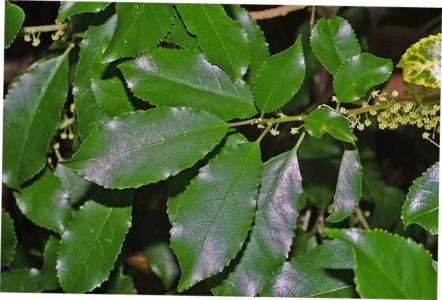
(Melicytus ramiflorus)
Also Known As
Whiteywood, Ramarama, New zealand honeysuckle, Ramarama tree
About This Plant
Melicytus ramiflorus is a species of flowering plant in the family Violaceae, commonly known as the Mahoe. It is a small tree or shrub that is endemic to New Zealand. The plant has attractive foliage and produces small, purple flowers followed by purple berries.
Plant Care Instructions
Outdoor Size Range
3-6 feet (0.9-1.8 meters)
Light Requirements
Mahoe plants prefer full sun to partial shade. They can tolerate shade, but may not flower as well in low light conditions.
Humidity Needs
These plants do not have any specific humidity requirements.
Fertilizing Schedule
Fertilize the plant with a balanced fertilizer once a month during the growing season (spring and summer).
Pruning Guidelines
Prune the plant in late winter or early spring to remove any dead or damaged branches. You can also prune the plant to shape it as desired.
Common Pests and Diseases
Mahoe plants are generally resistant to pests and diseases. However, they can be susceptible to aphids and spider mites.
Indoor Size Range
N/A
Watering Schedule
Mahoe plants prefer consistently moist soil. Water the plant regularly, especially during hot and dry weather.
Temperature Range
Mahoe plants can tolerate a wide range of temperatures, from 20 to 100 degrees Fahrenheit (-6 to 38 degrees Celsius). However, they prefer temperatures between 60 and 80 degrees Fahrenheit (16 to 27 degrees Celsius).
Growing Season
The growing season for Mahoe plants is spring and summer.
Growing Difficulty Level
Mahoe plants are relatively easy to grow and care for. They can be grown in a variety of soil types and can tolerate a wide range of temperatures.
USDA Hardiness Zones
Mahoe plants are hardy in USDA zones 9-10.
Did You Know?
The Maori people of New Zealand traditionally used the bark of the Mahoe plant to treat a variety of ailments, including cuts, wounds, and skin infections.