Special Web Offer - Get 50% OFF!
Grab Your Deal Now
PlantSnap
Plant Care
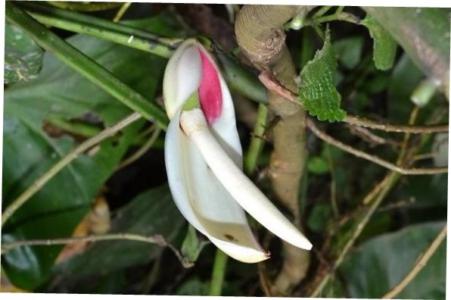
Thick-nerved homaliodendron
(Homaliodendron crassinervium)
Also Known As
Thick-nerved homaliodendron, Thick-veined homaliodendron, Crassivene homaliodendron
About This Plant
Homaliodendron crassinervium is a species of flowering plant in the family Araliaceae. It is a small tree or shrub, growing up to 10 meters tall with a trunk diameter of up to 30 cm. The leaves are compound with 7-13 leaflets, and the flowers are small and greenish-white.
Plant Care Instructions
Outdoor Size Range
Height: 10 meters (32.8 feet) | Trunk diameter: 30 cm (11.8 inches)
Light Requirements
Homaliodendron crassinervium prefers full sun to partial shade.
Humidity Needs
It prefers moderate to high humidity levels, around 50-70%.
Fertilizing Schedule
It requires regular fertilization during the growing season with a balanced fertilizer.
Pruning Guidelines
Pruning is not required, but it can be done to maintain the desired shape and size.
Common Pests and Diseases
Common pests include spider mites and mealybugs. Diseases such as root rot can occur if the soil is kept too wet.
Indoor Size Range
Not suitable for indoor cultivation.
Watering Schedule
It requires moderate watering, allowing the soil to dry out slightly between waterings.
Temperature Range
Homaliodendron crassinervium prefers warm temperatures between 18-27°C (65-80°F).
Growing Season
Homaliodendron crassinervium can be grown year-round in tropical climates, but it is best to plant it in the spring or summer in temperate climates.
Growing Difficulty Level
Homaliodendron crassinervium is considered moderately difficult to grow due to its specific requirements for light, humidity, and temperature.
USDA Hardiness Zones
Homaliodendron crassinervium is not cold hardy and is only suitable for USDA hardiness zones 10-12.
Did You Know?
The wood of Homaliodendron crassinervium is used for carving and making furniture in its native range in Southeast Asia.