Special Web Offer - Get 50% OFF!
Grab Your Deal Now
PlantSnap
Plant Care
Mann's erythroxylum
(Erythroxylum mannii)
Also Known As
Mann's erythroxylum, Kola nut, Bitter kola, Erythroxylum
About This Plant
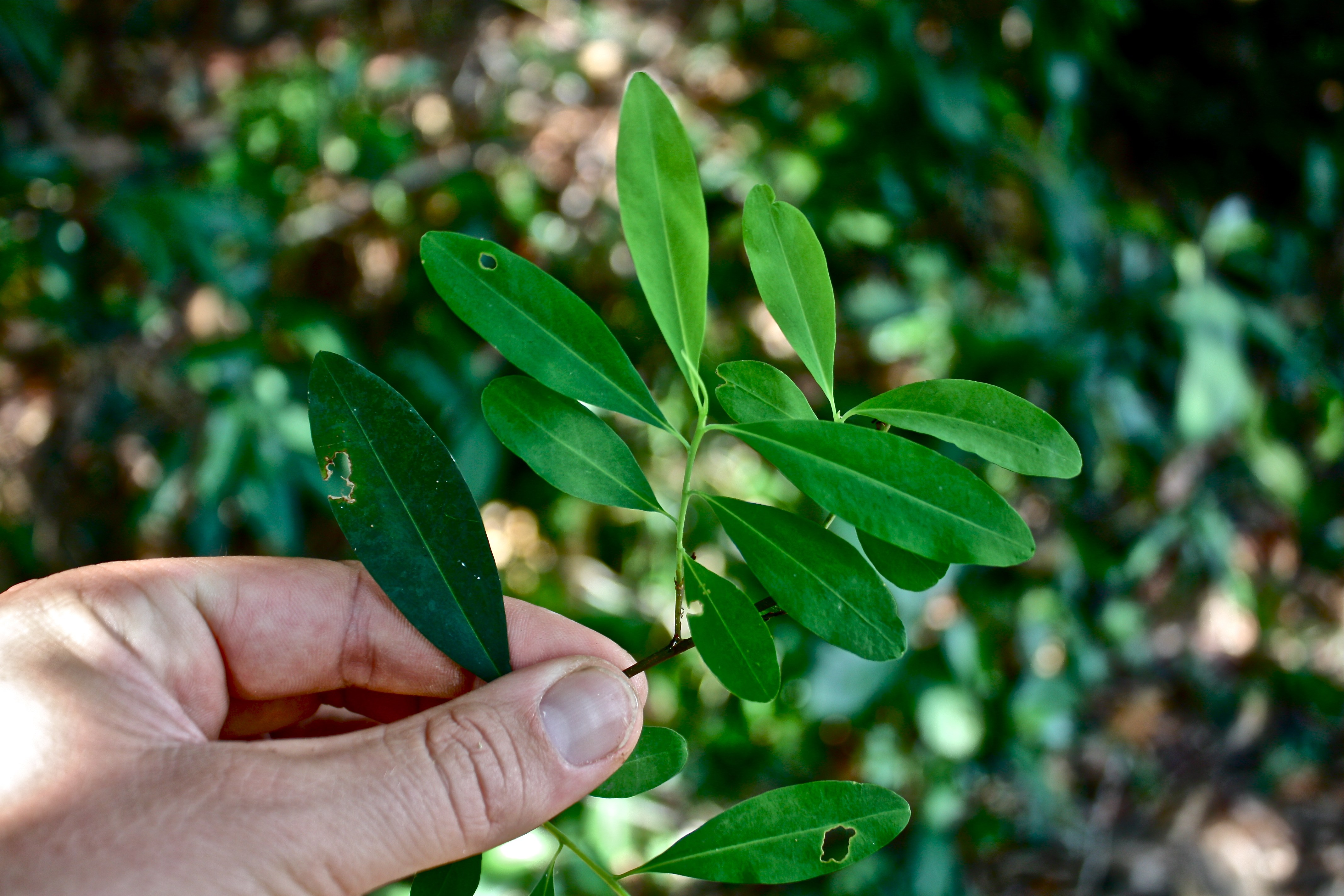
Erythroxylum mannii is a small tree or shrub that belongs to the Erythroxylaceae family. It is a slow-growing plant that can reach up to 10 meters (33 feet) tall. The leaves are dark green, glossy, and leathery, with a pointed tip and a smooth margin. The flowers are small and white, and the fruit is a small red berry.
Plant Care Instructions
Outdoor Size Range
Up to 10 meters (33 feet)
Light Requirements
Erythroxylum mannii prefers bright, indirect light. It can tolerate some shade, but too much shade can lead to leggy growth and decreased foliage.
Humidity Needs
The plant prefers high humidity levels, around 60-70%. Use a humidifier or place the plant on a tray filled with pebbles and water to increase humidity levels.
Fertilizing Schedule
Fertilize the plant every 2-3 months during the growing season with a balanced fertilizer. Do not fertilize during the winter months.
Pruning Guidelines
Prune the plant to maintain its shape and size. Remove any dead or damaged branches as needed.
Common Pests and Diseases
Erythroxylum mannii is susceptible to spider mites, mealybugs, and scale insects. Regularly inspect the plant for signs of infestation and treat with insecticidal soap or neem oil as needed.
Indoor Size Range
N/A
Watering Schedule
Water the plant regularly, keeping the soil moist but not waterlogged. Allow the top layer of soil to dry out slightly before watering again.
Temperature Range
Erythroxylum mannii prefers warm temperatures between 18-26°C (65-80°F). It can tolerate slightly cooler temperatures but should be protected from frost.
Growing Season
Erythroxylum mannii can be grown year-round in tropical or subtropical climates. In cooler climates, it should be grown indoors or in a greenhouse.
Growing Difficulty Level
Erythroxylum mannii is considered moderately difficult to grow. It requires high humidity levels and specific temperature and light conditions. It is also slow-growing and can take several years to reach its full height.
USDA Hardiness Zones
Erythroxylum mannii is not frost-tolerant and should be grown in USDA hardiness zones 10-12.
Did You Know?
Erythroxylum mannii is one of several species of the Erythroxylum genus that contains alkaloids, including cocaine. However, Manni's coca is not a major source of cocaine and is primarily used for medicinal purposes.