Special Web Offer - Get 50% OFF!
Grab Your Deal Now
PlantSnap
Plant Care
Siberian ginseng
(Eleutherococcus senticosus)
Also Known As
Siberian ginseng, Devil's bush, Vari-hinged ginseng, Eleuthero
About This Plant
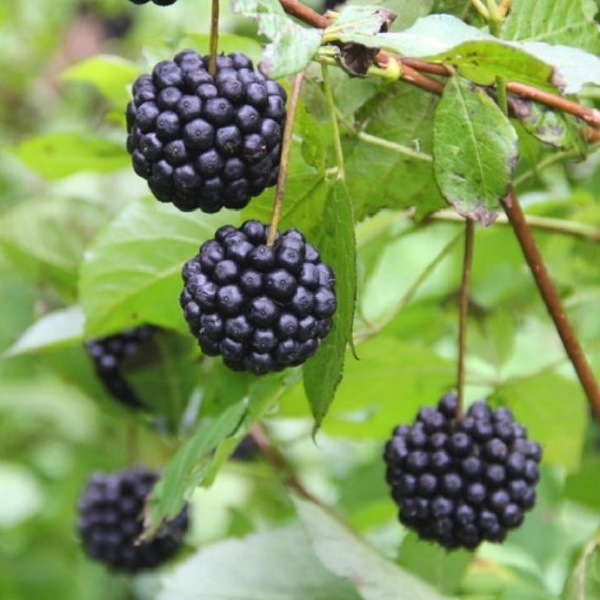
Eleutherococcus senticosus is a woody shrub native to Northeast Asia. It is commonly known as Siberian ginseng, although it is not related to true ginseng. The plant has small, greenish-yellow flowers and black or blue berries. It is known for its medicinal properties and is used in traditional medicine to boost the immune system and reduce stress.
Plant Care Instructions
Outdoor Size Range
6-10 feet (1.8-3 meters)
Light Requirements
Siberian ginseng prefers partial shade to full sun, and can tolerate a range of light conditions.
Humidity Needs
Siberian ginseng prefers moderate to high humidity levels.
Fertilizing Schedule
The plant does not require fertilizer, but can benefit from occasional feeding with a balanced fertilizer during the growing season.
Pruning Guidelines
Pruning is not necessary, but the plant can be shaped or trimmed as desired.
Common Pests and Diseases
Common pests include spider mites and aphids, and the plant can be susceptible to root rot if overwatered.
Indoor Size Range
12-24 inches (30-60 cm)
Watering Schedule
The plant prefers moist, well-draining soil and should be watered regularly, especially during dry periods.
Temperature Range
The plant can tolerate a range of temperatures, but prefers cool to moderate temperatures and can be damaged by extreme heat.
Growing Season
Siberian ginseng can be grown year-round in temperate climates, but is dormant during the winter months.
Growing Difficulty Level
Siberian ginseng is considered moderately difficult to grow, as it has specific soil and light requirements and can be susceptible to pests and diseases.
USDA Hardiness Zones
Siberian ginseng is hardy in USDA zones 3-7.
Did You Know?
Siberian ginseng is sometimes referred to as 'devil's shrub' due to its spiky stems and thorns.