Special Web Offer - Get 50% OFF!
Grab Your Deal Now
PlantSnap
Plant Care
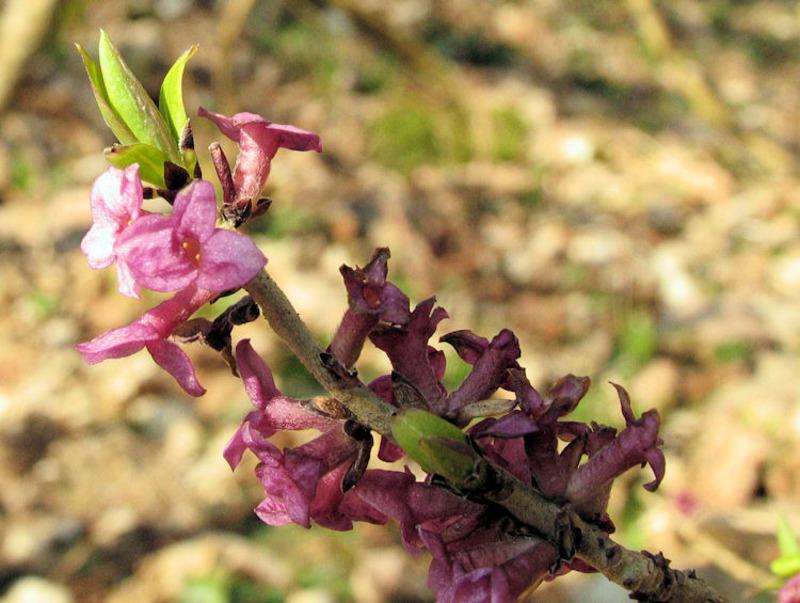
February daphne
(Daphne mezereum)
Also Known As
February daphne, Mezereon, Spurge laurel, Wild spurge
About This Plant
Daphne mezereum is a deciduous shrub that is native to Europe and Asia. It is a slow-growing plant that reaches a height of 3-4 feet (90-120 cm) and a spread of 3-5 feet (90-150 cm). The plant has a rounded shape and produces clusters of fragrant pink or purple flowers in late winter or early spring, before the leaves emerge. The flowers are followed by bright red berries that are toxic if ingested.
Plant Care Instructions
Outdoor Size Range
Height: 3-4 feet (90-120 cm), Spread: 3-5 feet (90-150 cm)
Light Requirements
Daphne mezereum prefers partial shade to full sun. It can tolerate some shade, but too much shade will reduce the number of flowers produced.
Humidity Needs
Daphne mezereum prefers average humidity levels. It can tolerate dry air, but it may benefit from occasional misting during hot and dry weather.
Fertilizing Schedule
The plant does not require heavy fertilization. A light application of balanced fertilizer in early spring can help promote growth and flowering.
Pruning Guidelines
Prune the plant after flowering to maintain its shape and remove any dead or damaged branches. Avoid pruning in fall or winter as it can reduce the number of flowers produced.
Common Pests and Diseases
Daphne mezereum is relatively pest and disease-free, but it can be susceptible to aphids, scale insects, and powdery mildew.
Indoor Size Range
Not suitable for indoor growing.
Watering Schedule
The plant prefers moist, well-drained soil. It should be watered regularly during the growing season, but avoid overwatering as it can lead to root rot.
Temperature Range
The plant can tolerate cold temperatures and is hardy to USDA zones 3-7. It prefers cool to moderate temperatures and may suffer in hot and humid climates.
Growing Season
The plant blooms in late winter or early spring and grows actively during the spring and summer months.
Growing Difficulty Level
Daphne mezereum is moderately difficult to grow. It requires specific growing conditions and can be sensitive to changes in temperature, humidity, and soil moisture.
USDA Hardiness Zones
USDA hardiness zones 3-7
Did You Know?
In ancient times, Daphne mezereum was used as a poison and a medicine. The plant contains toxic alkaloids that can cause vomiting, convulsions, and even death if ingested in large quantities.