Special Web Offer - Get 50% OFF!
Grab Your Deal Now
PlantSnap
Plant Care
Lilac daphne
(Daphne genkwa)
Also Known As
Lilac daphne, Chinese daphne, Yellow daphne, Spring daphne
About This Plant
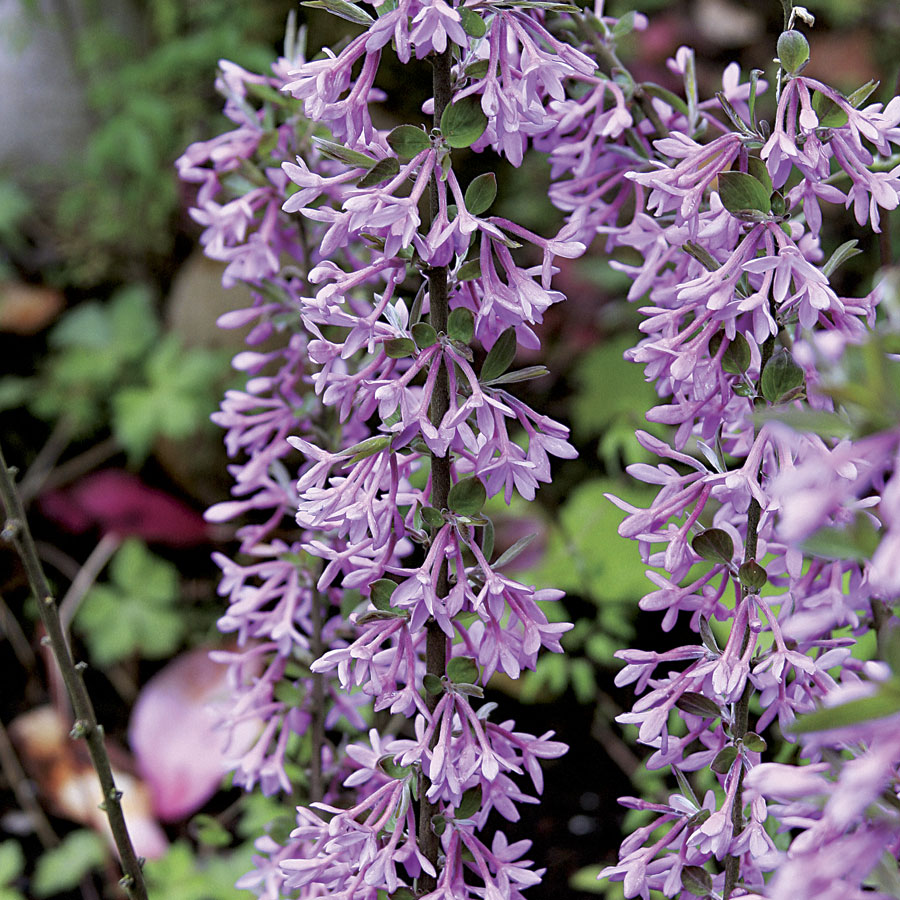
Daphne genkwa is a deciduous flowering shrub that produces stunning purple-pink flowers in early spring before its leaves appear. The plant's flowers are highly fragrant and attract pollinators such as bees and butterflies. It is a slow-growing plant that can take several years to reach its full size.
Plant Care Instructions
Outdoor Size Range
3-6 feet (90-180 cm)
Light Requirements
Lilac daphne prefers full sun to partial shade. It can tolerate some shade, but too much shade can result in poor flowering.
Humidity Needs
Lilac daphne prefers moderate to high humidity levels. It can benefit from misting during dry weather or when grown indoors.
Fertilizing Schedule
Fertilize the plant in early spring with a balanced fertilizer. Avoid fertilizing in the fall or winter.
Pruning Guidelines
Prune the plant after it has finished flowering to control its size and shape. Remove any dead or diseased wood.
Common Pests and Diseases
Lilac daphne is susceptible to aphids, spider mites, and scale insects. Treat infestations with insecticidal soap or neem oil.
Indoor Size Range
12-24 inches (30-60 cm)
Watering Schedule
The plant prefers evenly moist soil but does not tolerate waterlogged soil. Water the plant deeply once a week during the growing season, and reduce watering in the winter.
Temperature Range
The plant can tolerate a wide range of temperatures but prefers cool to moderate temperatures. It can tolerate temperatures down to -10°F (-23°C).
Growing Season
The growing season for Lilac daphne is from early spring to late summer.
Growing Difficulty Level
Lilac daphne is moderately difficult to grow. It requires specific growing conditions and can be sensitive to changes in temperature and moisture levels.
USDA Hardiness Zones
USDA hardiness zones 6-8.
Did You Know?
The flowers of Lilac daphne are not only beautiful but also have medicinal properties. They have been used in traditional Chinese medicine to treat a variety of ailments, including inflammation and pain.