Special Web Offer - Get 50% OFF!
Grab Your Deal Now
PlantSnap
Plant Care
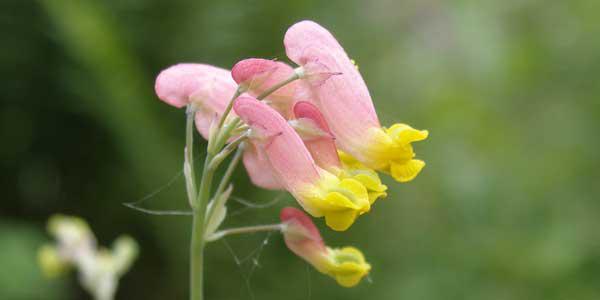
Rock harlequin
(Capnoides sempervirens)
Also Known As
Rock harlequin, Evergreen rockbrittle, Green hellebore
About This Plant
Capnoides sempervirens is a small, evergreen shrub that can grow up to 2 feet (60 cm) tall and 3 feet (90 cm) wide. It has dark green, glossy leaves that are lance-shaped and serrated. In the spring, it produces clusters of small, white flowers that have a sweet fragrance.
Plant Care Instructions
Outdoor Size Range
2-3 feet (60-90 cm)
Light Requirements
Capnoides sempervirens prefers partial shade to full sun. It can tolerate some shade, but too much shade can cause the plant to become leggy and produce fewer flowers.
Humidity Needs
Capnoides sempervirens prefers moderate humidity levels. It can tolerate low humidity, but high humidity can cause fungal diseases to develop.
Fertilizing Schedule
Fertilize the plant once a year in the spring with a balanced, slow-release fertilizer.
Pruning Guidelines
Prune the plant in the early spring before new growth appears. Remove any dead, damaged or diseased branches. To encourage bushier growth, pinch back the tips of the branches.
Common Pests and Diseases
Common pests include aphids, spider mites, and scale insects. Diseases that can affect Capnoides sempervirens include powdery mildew and fire blight.
Indoor Size Range
12-24 inches (30-60 cm)
Watering Schedule
Water the plant regularly, keeping the soil moist but not waterlogged. During hot, dry weather, the plant may need to be watered more frequently.
Temperature Range
This plant prefers moderate temperatures, between 60-75°F (15-24°C). It can tolerate higher temperatures, but may require more frequent watering.
Growing Season
The growing season for Capnoides sempervirens is from spring to fall.
Growing Difficulty Level
Capnoides sempervirens is considered to be a moderately difficult plant to grow. It requires regular watering and pruning to keep it healthy.
USDA Hardiness Zones
Capnoides sempervirens is hardy in USDA zones 7-9.
Did You Know?
The flowers of Capnoides sempervirens are attractive to bees and other pollinators, making it a great plant for a pollinator garden.