Special Web Offer - Get 50% OFF!
Grab Your Deal Now
PlantSnap
Plant Care
Bismarck palm
(Bismarckia nobilis)
Also Known As
Bismarck palm, Bismarckia
About This Plant
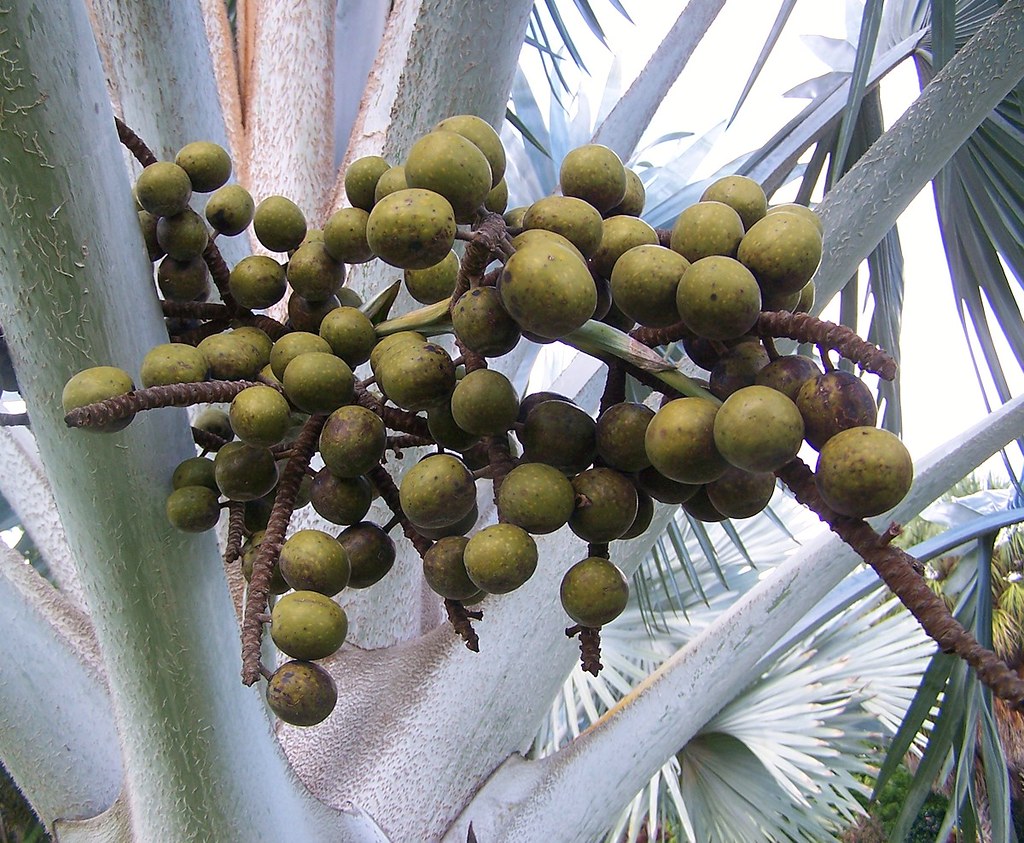
Bismarckia nobilis is a large, slow-growing palm tree native to Madagascar. It has a single, tall, grey trunk topped by a symmetrical crown of large, stiff, blue-grey leaves with a slight arch that measure up to 10 feet (3 meters) long.
Plant Care Instructions
Outdoor Size Range
Height: 30-50 feet (9-15 meters), Spread: 15-20 feet (4.5-6 meters)
Light Requirements
Bismarck Palms thrive in full sun to partial shade. It is best to place them in an area with bright, indirect light.
Humidity Needs
Bismarck Palms prefer moderate to high humidity levels. Mist the leaves occasionally to increase the humidity around the plant.
Fertilizing Schedule
Fertilize Bismarck Palms with a slow-release, balanced fertilizer every 3-4 months during the growing season. Do not fertilize during the winter months.
Pruning Guidelines
Prune off any dead or damaged fronds as needed. Do not prune healthy fronds as this can damage the plant.
Common Pests and Diseases
Common pests for Bismarck Palms include spider mites, mealybugs, and scale insects. Diseases are not common, but can occur if the plant is overwatered.
Indoor Size Range
Not suitable for indoor growth
Watering Schedule
These palms prefer well-draining soil and should be watered deeply but infrequently. Allow the soil to dry out slightly between watering to avoid overwatering.
Temperature Range
These palms are cold-sensitive and should be grown in areas where the temperature does not drop below 30°F (-1°C). They prefer warm temperatures between 70-100°F (21-38°C).
Growing Season
Bismarck Palms grow best in the spring and summer months when temperatures are warm and there is plenty of sunlight.
Growing Difficulty Level
Bismarck Palms are moderately difficult to grow. They require specific growing conditions and can be sensitive to cold temperatures and overwatering.
USDA Hardiness Zones
Bismarck Palms are hardy in USDA zones 9b-11.
Did You Know?
Bismarck Palms are named after Otto von Bismarck, the first chancellor of Germany. The blue-grey color of the leaves is unique among palm trees and makes them a popular choice for landscaping.