Special Web Offer - Get 50% OFF!
Grab Your Deal Now
PlantSnap
Plant Care
Korean barberry
(Berberis koreana)
Also Known As
Korean barberry, Korean mahonia
About This Plant
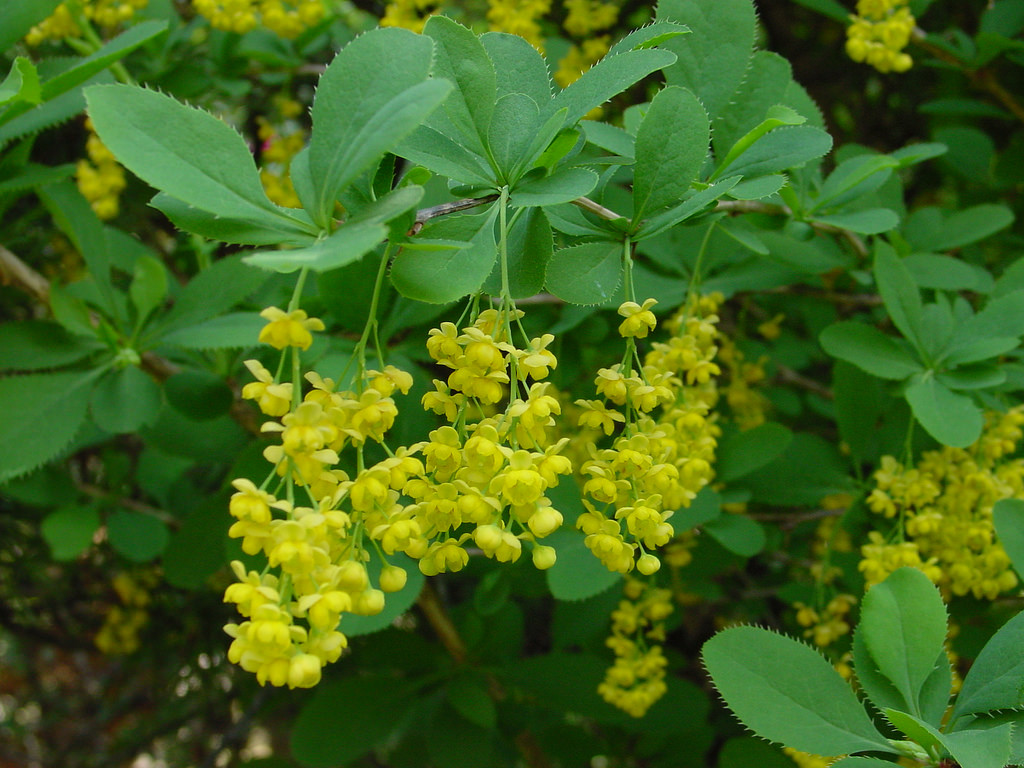
Berberis koreana is a deciduous shrub that grows up to 5 feet (1.5 meters) tall and 4 feet (1.2 meters) wide. It has dark green leaves that turn red in the fall and produces yellow flowers in the spring followed by blue-black berries in the summer. It is known for its thorny branches that make it a good choice for hedges and barriers.
Plant Care Instructions
Outdoor Size Range
3-5 feet (0.9-1.5 meters) tall and 2-4 feet (0.6-1.2 meters) wide
Light Requirements
Berberis koreana prefers full sun to partial shade.
Humidity Needs
It can tolerate a wide range of humidity levels.
Fertilizing Schedule
It does not require much fertilizer but can benefit from a balanced fertilizer in the spring.
Pruning Guidelines
Prune in late winter or early spring before new growth appears to maintain its shape and remove any dead or diseased branches.
Common Pests and Diseases
Berberis koreana is susceptible to aphids, spider mites, and scale insects.
Indoor Size Range
Not suitable for indoor growing
Watering Schedule
It prefers well-drained soil and moderate watering.
Temperature Range
It can tolerate a wide range of temperatures from -20°F (-28°C) to 100°F (38°C).
Growing Season
The growing season for Berberis koreana is from spring to fall.
Growing Difficulty Level
Berberis koreana is relatively easy to grow and maintain.
USDA Hardiness Zones
Berberis koreana is hardy in USDA zones 4-8.
Did You Know?
In Korea, the fruit of Berberis koreana is used to make a traditional tea called 'chung-yo-cha', which is believed to have medicinal properties.