Special Web Offer - Get 50% OFF!
Grab Your Deal Now
PlantSnap
Plant Care
Ponytail palm
(beaucarnea recurvate)
Also Known As
Ponytail palm, Bottle tree, Elephant foot
About This Plant
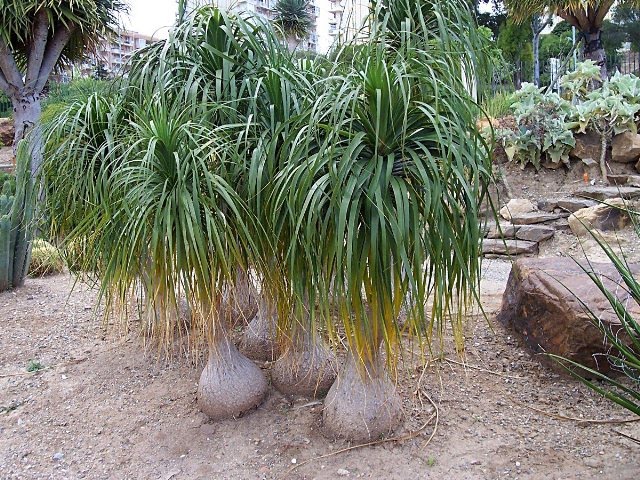
Beaucarnea recurvata, also known as the Ponytail Palm, is a slow-growing succulent plant native to Mexico. The plant has a distinctive appearance with a thick, swollen trunk and long, curly leaves that resemble a ponytail. It is a popular houseplant due to its unique appearance and low maintenance requirements.
Plant Care Instructions
Outdoor Size Range
6-20 feet (1.8-6.1 meters)
Light Requirements
The Ponytail Palm prefers bright, indirect light, but can tolerate lower light conditions. It should not be placed in direct sunlight.
Humidity Needs
The Ponytail Palm prefers dry air and does not require high humidity levels.
Fertilizing Schedule
The plant should be fertilized once a month during the growing season with a balanced fertilizer.
Pruning Guidelines
The Ponytail Palm does not require pruning, but dead or damaged leaves can be removed as needed.
Common Pests and Diseases
Common pests include spider mites and mealybugs. Diseases are rare, but root rot can occur with overwatering.
Indoor Size Range
36-72 inches (91-183 cm)
Watering Schedule
The plant should be watered deeply but infrequently, allowing the soil to dry out between waterings. Overwatering can cause root rot.
Temperature Range
The plant prefers warm temperatures between 65-80°F (18-27°C), but can tolerate temperatures as low as 50°F (10°C).
Growing Season
The plant can be grown year-round, but growth is slower in the winter months.
Growing Difficulty Level
The Ponytail Palm is considered easy to grow and is a good choice for beginners.
USDA Hardiness Zones
The Ponytail Palm is not cold hardy and should be grown indoors or in warm climates. It is suitable for USDA hardiness zones 9-11.
Did You Know?
Despite its common name, the Ponytail Palm is not actually a palm tree, but rather a member of the Asparagaceae family.